

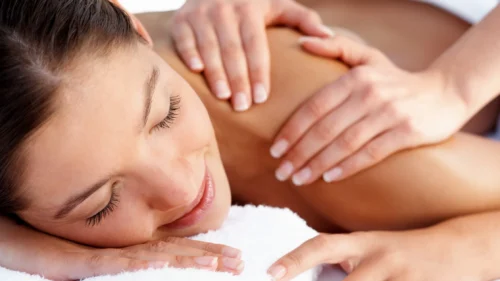
When you are booking a massage, the choice of technique can shape the entire experience. Shiatsu and deep tissue massage are often mentioned together because both can involve focused pressure, but they come from different traditions and use different approaches to working with the body. Shiatsu is a Japanese bodywork technique that uses pressure applied with the fingers, thumbs, and palms, while deep tissue massage uses slower, more focused techniques to work with deeper layers of muscle and connective tissue. For Calgary clients deciding between the two, the right choice comes down to the type of pressure you prefer, the areas you want addressed, your treatment goals, and the approach that feels most appropriate for your body.
How Shiatsu and Deep Tissue Massage Differ
Shiatsu has its roots in Japan and is recognized for its use of pressure on specific points of the body. The word itself refers to finger pressure. During a Shiatsu treatment, a practitioner may use the thumbs, fingers, palms, and other techniques such as stretching and compression. Traditional Shiatsu is generally performed without massage oil and through comfortable clothing, which gives the treatment a very different feel from an oil-based massage performed directly on the skin. The focus is on deliberate pressure and movement rather than long, gliding strokes across the body.
Deep tissue massage follows a different approach. The technique uses firm, controlled pressure and slower movements to work with deeper layers of muscle and connective tissue. It is commonly chosen by people who experience persistent muscle tightness, areas of discomfort associated with physical activity, or tension that feels difficult to address with lighter massage techniques. Deep tissue work can be concentrated on particular areas rather than applied with the same intensity across the entire body. The therapist can adjust the treatment according to the client’s needs and the areas being addressed.
The difference is not simply a matter of light pressure versus heavy pressure. Shiatsu can involve firm pressure, and deep tissue massage does not mean that every part of the session should feel intensely painful. A professional massage should be adapted to the individual. Pressure, pace, positioning, and technique can all be adjusted during a session. Communication matters, particularly when working on areas that are already sensitive or tense. Cleveland Clinic recommends telling the therapist when pressure becomes uncomfortable so the treatment can be modified appropriately.
The way the two treatments are performed can also affect the overall experience. Shiatsu can feel more structured because pressure is applied to particular areas and may be combined with stretching or compression. The client remains clothed, so there is no need for massage oil on the skin. Deep tissue massage generally involves direct contact with the skin and may use massage oil or another lubricant, depending on the therapist and treatment setting. For someone who prefers the feel of traditional hands-on massage with focused muscle work, deep tissue may feel more familiar. For someone who prefers pressure-point work and stretching without oil, Shiatsu may be a more appealing option.
Another important distinction is the tradition behind each modality. Shiatsu developed from Japanese manual therapies and incorporates concepts associated with traditional Japanese bodywork. Deep tissue massage is part of the broader Western massage therapy tradition and focuses on the physical manipulation of muscles and connective tissues. Neither approach should be selected simply because one sounds more intense or specialized. Understanding what actually happens during the treatment gives you a better basis for choosing.
At RnR Wellness, Shiatsu is included among the healing modalities available through the Peaceful Warrior Massage. The service is customized according to the guest and the therapist’s particular training and approach. The massage menu also includes Signature Custom Massage, which can be tailored toward therapeutic or relaxation preferences. All massage services listed on the menu are performed by registered massage therapists and are eligible for reimbursement, subject to the client’s insurance coverage.
That customized approach is useful for clients who are not certain which technique they need. A massage appointment should begin with a conversation about what you are experiencing, what you want from the session, and any relevant health considerations. A therapist can then determine which techniques are appropriate. This can be particularly helpful when a client has several concerns at once, such as general muscle tension combined with the physical demands of work, exercise, travel, or prolonged sitting.
Which Massage Style Fits Your Needs?
Shiatsu may be a good option for someone drawn to pressure-point work, stretching, and a treatment performed through clothing. The experience is different from a conventional massage because there is no need for oil, and the therapist uses deliberate pressure rather than relying primarily on broad gliding strokes. Some people also prefer the structured nature of Shiatsu, particularly when they want a treatment that combines pressure with movement and stretching.
Deep tissue massage may make more sense for someone whose primary concern is muscle tightness or areas that feel particularly restricted after physical activity. Someone who spends hours at a desk, trains regularly, works on their feet, or repeatedly uses the same muscle groups may want focused attention on specific areas. Deep tissue massage can be used to address areas of tension with slower and more concentrated techniques.
That does not mean deep tissue massage is automatically the best choice for athletes or people with chronic tension. A person’s overall condition, treatment history, comfort level, and goals all matter. A therapist may recommend a combination of techniques rather than using one modality exclusively. Massage therapy is highly adaptable, and the same client may benefit from different approaches at different points in their wellness routine.
The same principle applies to Shiatsu. It should not be selected simply because it is considered a gentler alternative to deep tissue massage. Shiatsu can involve substantial pressure, and the treatment may feel quite focused. The experience depends on the practitioner, the techniques used, and the areas being treated. Someone who wants a calming spa experience may respond differently to Shiatsu than someone seeking concentrated work on a particular area of muscular tension.
Your preferred treatment environment can also influence the decision. Some people enjoy the sensory experience of warm towels, aromatherapy, and massage oil. Others prefer staying fully clothed and receiving pressure and stretching without oil. RnR Wellness offers both traditional massage experiences and specialized modalities, making it possible to discuss these preferences with an RMT before treatment. Its Signature Custom Massage, for example, uses local aromatherapy oils and warm towels and can be customized toward therapeutic or relaxation massage.
For clients who want a longer spa experience around their massage, the setting may also be part of the decision. The Fairmont Palliser location provides access to a heated indoor swimming pool, co-ed steam room, whirlpool, and fitness centre when enjoying a full spa service of at least one hour. The Hotel Le Germain location has men’s and women’s infrared saunas, a fitness centre, and a seasonal rooftop patio. These amenities are included with qualifying full spa services, allowing guests to build a broader wellness experience around their massage appointment.
There is also a practical consideration for people who are trying massage therapy for the first time. You do not need to arrive knowing exactly which technique your body requires. Instead, be prepared to describe what you would like from the appointment. Tell the therapist which areas feel tense, how you normally respond to pressure, and if there are movements or positions that cause discomfort. If you have a medical condition, recent injury, recent surgery, open wound, fracture, or other health concern, mention it before treatment. Massage is not appropriate for every situation, and medical guidance may be necessary in some circumstances.
How to Choose the Right Massage Before You Book
A useful way to approach the decision is to start with the experience you want rather than the name of the treatment. If you want pressure-point work, stretching, and a clothed treatment without oil, Shiatsu may align with your preferences. If you want slower, concentrated work directed toward deeper muscle tension, deep tissue massage may be worth discussing with your therapist. If you are primarily looking for relaxation but still have areas of tension, a customized therapeutic or relaxation massage may be a better fit than choosing either modality based on pressure alone.
It is also worth considering how your body feels on the day of the appointment. Your needs can change. A massage that felt appropriate after a demanding week of exercise may not be what you want after a long period of sitting or during a particularly stressful week. Giving the therapist an accurate picture of how you feel when you arrive allows the treatment to be adjusted accordingly.
Expectations around pressure are particularly important. A common misconception is that stronger pressure produces a better massage. That is not necessarily the case. Effective massage depends on appropriate technique, positioning, pressure, and communication. If a particular area becomes excessively painful, tell your therapist. The objective is to receive useful therapeutic work without turning the appointment into a test of how much discomfort you can tolerate.
Safety should remain part of the conversation, especially for anyone with an existing health concern. Massage therapy is generally considered safe for many people when provided by a qualified professional, but there are circumstances in which modifications, precautions, or medical clearance may be appropriate. Mayo Clinic recommends informing the massage therapist about relevant medical conditions, medications, recent surgeries, wounds, fractures, bleeding disorders, and implanted devices. Certain conditions, including deep vein thrombosis, some fractures, open wounds, and certain infections, can require avoiding massage or obtaining medical advice before treatment.
The distinction between Shiatsu and deep tissue massage also matters because the intended outcome should be realistic. Massage can support relaxation and may provide short-term relief for certain types of pain and muscle discomfort, but it should not be presented as a cure for every condition. The National Center for Complementary and Integrative Health notes that research on massage therapy varies by health condition, with evidence supporting some short-term benefits while the evidence for longer-term effects is less certain. A qualified massage therapist can work as part of a broader wellness approach, but persistent or unexplained pain should be evaluated by an appropriate healthcare professional.
For Calgary spa guests, the choice can ultimately be quite straightforward. Consider how you want the treatment to feel, what areas you want addressed, and what you want to accomplish during the appointment. Shiatsu offers a distinct Japanese bodywork experience built around focused pressure and techniques such as stretching. Deep tissue massage offers concentrated work on deeper muscle and connective tissue. A customized therapeutic massage offers another option for people who want the treatment adapted to their individual preferences rather than committing to one specific technique.
The best massage is the one that matches your needs at the time of treatment and is delivered by a qualified professional who understands how to adjust the session accordingly. Instead of choosing based solely on which treatment sounds stronger, talk through your goals and pressure preferences before the session begins. That conversation can help your therapist determine the most appropriate techniques and create a treatment that feels purposeful from the moment you get on the table. Visit RnR Wellness in downtown Calgary to speak with an experienced registered massage therapist about your massage preferences and goals. With locations at Hotel Le Germain and Fairmont Palliser, guests can choose from customized massage services and a range of spa amenities designed to complement their treatment.