

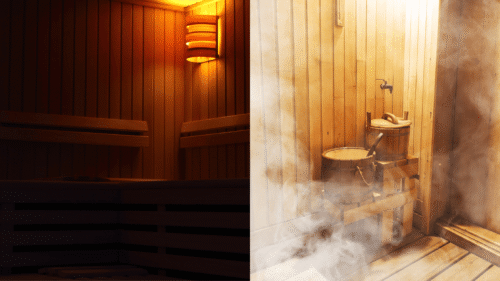
Infrared saunas and steam rooms offer distinct ways to experience heat during a spa visit. Although both encourage sweating and provide a warm setting for relaxation, they differ in how they generate heat, the humidity they maintain, and how they feel during use. An infrared sauna uses radiant heat to warm the body, while a steam room fills the space with warm, humid air. Understanding these differences can help you choose the experience that best suits your comfort and wellness preferences.
How Infrared Saunas and Steam Rooms Generate Heat
An infrared sauna uses specialized heaters or panels that emit infrared radiation. This energy transfers heat to the body without relying primarily on heating the surrounding air. Infrared saunas commonly operate between 110 and 135 degrees Fahrenheit, or approximately 43 to 57 degrees Celsius, although temperatures vary by facility and equipment. Compared with traditional dry saunas, they offer a lower-temperature environment that may appeal to guests who prefer radiant warmth.
A steam room generates heat by introducing water vapor into an enclosed space. The resulting environment has very high humidity, often close to 100 percent, and temperatures commonly range from 110 to 120 degrees Fahrenheit, or approximately 43 to 49 degrees Celsius. Because high humidity slows the evaporation of sweat from the skin, a steam room can feel hotter than its temperature suggests.
The difference is noticeable as soon as you enter either facility. An infrared sauna generally feels dry, with radiant heat gradually warming the body. A steam room feels damp and enveloping, with moisture collecting on the skin and surrounding surfaces. Both environments can cause sweating, but the experience differs because one relies on radiant heat while the other combines warmth with moisture.
Personal preference plays an important role in choosing between them. Guests who dislike humid environments may prefer an infrared sauna, while those who enjoy warm, moist air may feel more comfortable in a steam room. Neither option is universally better, so your decision should reflect your tolerance for heat and the atmosphere you enjoy.
Differences in Skin Comfort, Relaxation, and Wellness
Both infrared saunas and steam rooms can provide a relaxing break from daily responsibilities. Heat may temporarily ease the sensation of muscle tension, while a quiet environment gives guests time to unwind. Research has examined sauna use in relation to cardiovascular health and certain types of chronic pain, but the evidence varies by condition and sauna type. Findings from traditional sauna studies should not automatically be applied to infrared saunas or steam rooms, and neither facility should replace medical treatment.
Steam rooms expose the skin to warm, humid air that may temporarily soften its surface. Some guests appreciate this sensation as part of their personal care routine. However, steam does not automatically clear pores, eliminate acne, or resolve persistent skin conditions. People with sensitive skin or conditions such as rosacea may experience increased redness or irritation from heat.
Infrared saunas provide a drier environment while allowing the body to warm and sweat. Sweating is a normal response to heat, but the amount produced does not establish the effectiveness of a session or indicate meaningful fat loss. Any immediate reduction in body weight after sweating primarily reflects fluid loss. Drinking water and allowing the body to cool down are more important than trying to sweat as much as possible.
The humidity level can also affect respiratory comfort. Some people find that warm, moist air temporarily helps loosen mucus, but this does not mean steam rooms treat respiratory infections or replace medical care. Others may find high humidity uncomfortable, particularly if they are sensitive to warm environments. Infrared saunas offer a drier alternative, although people with asthma or other respiratory conditions should consider their individual triggers before using either facility.
Safe use is important in both settings. Guests should stay hydrated, follow the facility’s recommended session duration, and leave immediately if they experience dizziness, nausea, weakness, headache, or unusual shortness of breath. Alcohol should be avoided before heat exposure because it can increase the risk of dehydration and other complications. People who are pregnant, have cardiovascular conditions or low blood pressure, or take medications that affect circulation, sweating, or temperature regulation should consult a qualified healthcare professional before using these facilities.
Choosing the Right Experience for Your Spa Visit
Choosing between an infrared sauna and a steam room comes down to your preferred environment and comfort level. An infrared sauna may suit guests who enjoy dry heat and a less humid atmosphere. A steam room may appeal to those who prefer moisture-rich warmth and the familiar sensation of steam bathing.
The quality of the overall spa experience also depends on practical details. Clean facilities, comfortable changing areas, temperature controls, privacy, and a place to rest after a session can influence your visit. Checking the available amenities before booking helps you understand what to expect, since not every spa offers both types of heated facilities.
If you plan to combine a sauna or steam room with a massage, consider how you would like to arrange your visit. Some guests prefer to enjoy the warmth before their treatment, while others prefer to relax afterward. There is no single sequence that works for everyone. Allowing time to cool down between activities and discussing your preferences with the spa team can help you plan a comfortable experience.
At the Hotel Le Germain location in Calgary, RnR Wellness offers infrared saunas in the men’s and women’s change rooms. Its Fairmont Palliser location features a co-ed steam room, along with a heated indoor swimming pool and whirlpool. Amenities and access arrangements may vary, so checking the current booking details before your visit is recommended.
Ultimately, infrared saunas and steam rooms provide different approaches to heat-based relaxation. Infrared saunas use radiant heat in a relatively dry environment, while steam rooms combine warmth with high humidity. Understanding these distinctions helps you choose a facility that matches your preferences without relying on assumptions about which experience is better.
Contact RnR Wellness to schedule an appointment and ask about the treatments and amenities available at its Calgary locations. The team can help you plan a spa visit that suits your preferences and gives you time to relax.